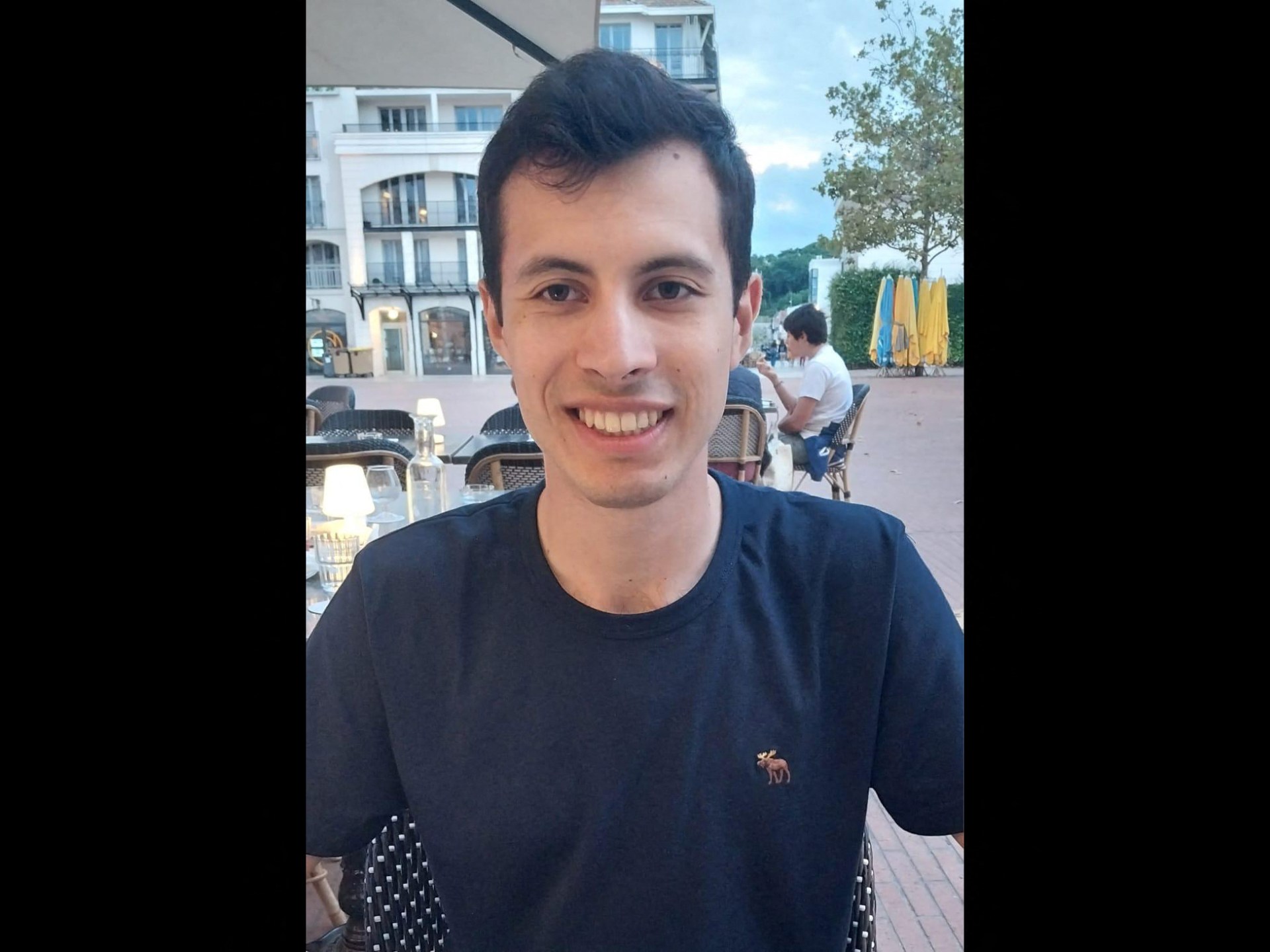
The Tragic Death of Quentin Deranque and Its Immediate Aftermath
The serene streets of Lyon were shattered by a heinous act of violence that led to the death of 23-year-old Quentin Deranque. On a Thursday evening, this young man, known for his activism within nationalist circles, was brutally lynched, succumbing to injuries sustained after being beaten by multiple assailants. His death immediately plunged the political landscape into turmoil, sparking widespread condemnation and a furious debate over the role of political rhetoric and alleged far-left links in contemporary French society. The incident quickly transcended a criminal investigation, morphing into a potent symbol of escalating political tensions and the dangerous fringes of ideological confrontation.
Initial Accusations and the "Ultragauche" Link
Within hours of the tragic event, the political blame game ignited. High-profile figures from the right and far-right swiftly pointed fingers, linking the murder to the "ultragauche" (ultra-left) and, by extension, to La France Insoumise (LFI), the left-wing political party led by Jean-Luc Mélenchon. Gérald Darmanin, the Minister of Interior, was among the first to voice strong accusations, stating on Public Sénat, "For a long time, we heard that the police kill. Here, we clearly see that it is the ultragauche which has manifestly killed… I think there is a complacency on the part of La France insoumise, and extreme parties in general, towards political violence, and pretending not to see that words kill."
Similar sentiments were echoed by other prominent figures. Bruno Retailleau declared, "It is not the police who kill in France, it is the extreme-left," while Marion Maréchal controversially asserted, "Mélenchon and LFI's militia has killed." Even a leading newspaper, the Journal du dimanche, ran with the headline, "The ultragauche kills." These statements underscored a narrative aiming to draw a direct line between political ideology and the fatal assault, placing the spotlight firmly on the alleged radical elements of the left. The intensity of these accusations immediately put immense pressure on Jean-Luc Mélenchon and his party to respond, casting a shadow over their political standing.
Jean-Luc Mélenchon and LFI Under the Microscope
The death of Quentin Deranque created an uncomfortable and politically perilous situation for Jean-Luc Mélenchon and La France Insoumise. The accusations levied against the "ultragauche" and LFI compelled Mélenchon to address the controversy, though his initial responses were perceived by some as hesitant. Eventually, he issued a condemnation of the aggression, expressing empathy, emotion, and a clear rejection of violence, while simultaneously attempting to distance his movement from the tragedy. "We have nothing to do with this story," he asserted, aiming to absolve LFI of any direct responsibility.
However, the political scrutiny intensified due to LFI's perceived historical stance and Mélenchon's past rhetoric. Critics questioned whether his condemnation was sufficient or timely, especially given the ongoing debate about the influence of political discourse on real-world actions. The discomfort among LFI leaders was palpable, as they grappled with the devastating implications of Deranque's death on their public image and the very foundations of their political project. This harrowing incident forced LFI to confront difficult questions about the boundaries of political activism and the unintended consequences of heated rhetoric. The question of whether
Do Political Words Kill? Deranque's Death & Mélenchon's Dilemma became a central and urgent debate.
The Jeune Garde Connection: A Political Minefield
A significant focal point of the accusations against LFI revolved around its alleged ties to the "Jeune Garde," an anti-fascist movement prominently active in Lyon. Laurent Nuñez, the Minister of Interior, confirmed that "the ultragauche was at work" in the Deranque case, directly targeting militants of the Jeune Garde. This organization had previously been in Bruno Retailleau's crosshairs, leading to its dissolution last year, a decision that the Jeune Garde is contesting before the Conseil d'État.
The political ties between LFI and the Jeune Garde are undeniable. Raphaël Arnault, an LFI Member of Parliament, is a co-founder of the Jeune Garde. This connection became particularly explosive when the far-right collective Nemesis, which was protesting on the night of the attack, claimed to have recognized Jacques-Elie Favrot, a parliamentary assistant to Raphaël Arnault, at the scene of the violence. Favrot "formally denied being responsible for this tragedy," yet the accusation alone fueled the political firestorm, intensifying the pressure on LFI and raising uncomfortable questions about the involvement of individuals linked to the party in the violence. The unfolding investigation into this connection is crucial, as it could have profound consequences for the credibility and future of both LFI and the Jeune Garde. This intricate web of affiliations puts the spotlight on the probe into the ultragauche's role:
Ultragauche Under Fire: Inside the Quentin Deranque Lynching Probe.
The Broader Debate: Do Political Words Fuel Violence?
The death of Quentin Deranque reignited a critical and often uncomfortable debate about the responsibility of political leaders and the impact of their rhetoric on public discourse and potential violence. In a climate where political divides appear to be deepening, the line between passionate advocacy and incitement can become blurred.
It's imperative for all political actors to reflect on the potential ramifications of their language. While robust debate is a cornerstone of democracy, language that demonizes opponents, suggests violent solutions, or tolerates extremism from one's own side can inadvertently create an environment where acts of violence are perceived as justifiable by some. This isn't to say words directly kill, but they can undoubtedly cultivate a fertile ground for aggression.
*
Foster Dialogue Over Demonization: Leaders across the political spectrum should actively promote respectful dialogue, even with those holding opposing views. Reducing opponents to caricatures or enemies dehumanizes them and makes violent acts against them seem less abhorrent.
*
Condemn All Forms of Political Violence: It is crucial for political parties and their leaders to unequivocally condemn all forms of political violence, regardless of its source or target. Selective condemnation sends a dangerous message that violence is acceptable if it serves a particular cause.
*
Reinforce the Rule of Law: Emphasize that grievances, however legitimate, must be addressed through legal and democratic channels, not through street violence or mob justice.
*
Educate on Media Literacy: In an age of rapid information dissemination and misinformation, encouraging critical thinking and media literacy can help individuals discern inflammatory rhetoric from legitimate political discourse.
Navigating the Complexities: Prudence Amidst Political Fire
Amidst the fierce political accusations and recriminations following Quentin Deranque's death, it is critical to exercise extreme prudence regarding the facts. The immediate political reactions, while understandable in their urgency, often precede the full scope of an official investigation. As of the initial reports, the police investigation was ongoing, gathering testimonies and piecing together the events of that fateful night. The Lyon prosecutor was scheduled to hold a press conference, indicating the official process of establishing facts was still underway.
It is a common pitfall in high-profile cases for political narratives to solidify before concrete evidence is fully presented. For the public, it means differentiating between strong political statements and verified investigative findings. Responsible consumption of information involves:
- Waiting for Official Findings: Deferring judgment until law enforcement agencies and judicial processes have concluded their investigations and presented their findings.
- Considering Multiple Sources: Seeking information from various, reputable news outlets to gain a balanced perspective, rather than relying solely on politically charged reports.
- Recognizing the Impact of Rhetoric: Being aware that while investigations are unfolding, political figures will use the event to advance their agendas, and their statements may not always align with factual accuracy.
This measured approach is vital not only for justice to be served but also for preventing further societal division based on premature conclusions.
Conclusion
The murder of Quentin Deranque stands as a grim reminder of the volatile nature of political tensions in France and the profound consequences when ideological divides escalate into violence. The intense scrutiny faced by Jean-Luc Mélenchon and La France Insoumise, particularly concerning their alleged links to the "ultragauche" and the Jeune Garde, highlights the delicate balance between political activism and the responsibility to denounce and prevent violence. While the political blame game continues, the ongoing police investigation remains paramount to uncovering the full truth behind this tragic event. As the nation grapples with the aftermath, the imperative for all political actors to engage in responsible discourse, unequivocally condemn violence, and respect the due process of law has never been clearer. The legacy of Quentin Deranque's death will undoubtedly shape future debates on political extremism, rhetoric, and accountability in France.